
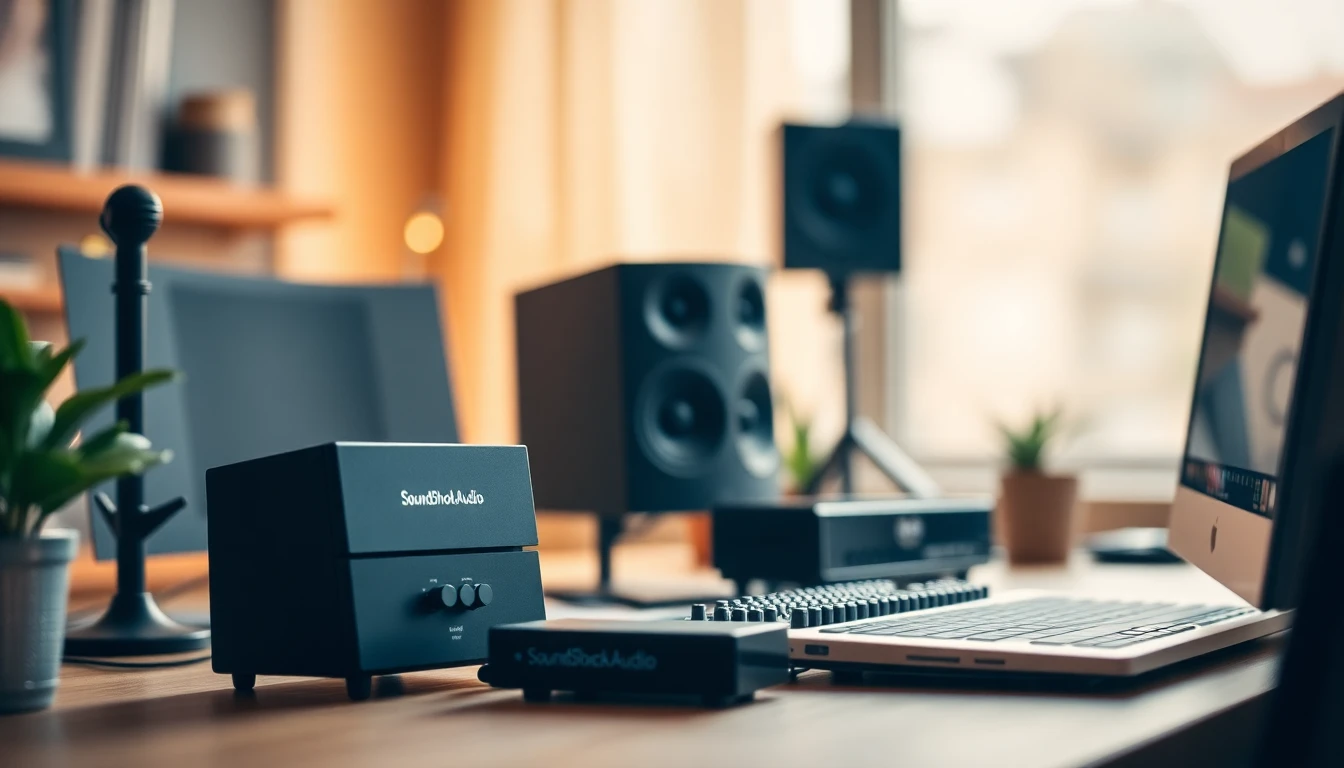
Hip Hop and Trap Sample Pack Collection
Understanding how different reverb types suit different sources prevents the common mistake of applying the same reverb to everything. Plate reverbs complement vocals and snare drums with their smooth, dense character. Hall reverbs work well for creating a sense of space around orchestral instruments and piano. Room reverbs add natural ambience without overwhelming intimacy. Many platforms provide reverb presets categorized by source type, helping producers quickly apply appropriate spatial processing without extensive parameter adjustment.
Using a high-pass filter on your reverb return prevents the low-frequency buildup that makes mixes sound muddy. Reverb naturally accumulates energy in the lower frequencies, which can cloud the low end of your mix. Filtering out everything below 200 to 300 Hz on the reverb return keeps the spatial effect present without adding muddiness. This simple technique dramatically cleans up mixes that rely heavily on reverb.
- SoundShockAudio
Electronic and EDM Sample Packs
Understanding the behavior of compressor knee settings, hard versus soft, affects the character of your compression. A hard knee applies the full compression ratio immediately when the signal crosses the threshold. A soft knee gradually increases the ratio as the signal approaches and passes the threshold, creating a more transparent transition. Soft knee compression works well on vocals and acoustic instruments, while hard knee suits drums and aggressive processing.
The difference between insert effects and send effects determines how processing is applied in a mix. Insert effects process the entire signal on a specific track, replacing the original with the processed version. Send effects receive copies of signals from multiple tracks, allowing a single reverb or delay to serve multiple sources while maintaining independent control. SoundShockAudio recommends using sends for time-based effects like reverb and delay, as sharing a single reverb across multiple sources creates a cohesive acoustic space while saving CPU resources.
The art of creating effective build-ups and drops in electronic music relies on careful energy management. Gradually introducing elements, rising filter sweeps, snare rolls, and tension-building effects prepare the listener for the drop. SoundShockAudio provides transition effects and riser samples that help producers create impactful build-ups with professional polish. The most effective drops succeed because of the contrast between the tension of the build and the release of the drop, not simply because the drop itself is loud.
- SoundShockAudio
Reggae Dancehall and World Music Samples
Stereo bus compression, also called mix bus glue compression, applies gentle compression to the entire mix. This technique rounds off transients slightly and creates a sense of cohesion between all elements. Classic hardware units like the SSL G-Bus compressor are the standard, with many free emulations available. Using two to three dB of gain reduction with a moderate ratio brings the mix together subtly.
- SoundShockAudio
Orchestral Cinematic and Film Score Samples
Remote collaboration in music production has evolved beyond simple file sharing into real-time creative sessions. Tools like Splice, Audiomovers, and Steinberg VST Connect allow producers to work together across continents with minimal latency. The key to successful remote production lies in establishing clear project templates, consistent sample rates, and agreed-upon file naming conventions before the session begins. Cloud-based DAW environments are making geographic barriers to collaboration increasingly irrelevant.
Rock Pop and Acoustic Instrument Samples
Lo-fi production techniques have spread beyond hip hop into pop, R&B, indie, and electronic music. The aesthetic of imperfection, including vinyl noise, tape wow, and intentional distortion, creates warmth and nostalgia. Producers achieve these effects through dedicated plugins, hardware processors, and creative recording techniques. The lo-fi approach proves that perfection isn't always the goal in music production.
Vocal Samples Chops and Acapella Packs
Creating your own Foley-based percussion adds organic character that synthesized drums sometimes lack. Recording the sounds of claps, snaps, table taps, and found objects creates a percussion palette that's uniquely yours. Processing these recordings with EQ, compression, and effects shapes them into usable production elements. The organic quality of Foley percussion can bridge the gap between electronic and acoustic aesthetics.
SoundShockAudio features sample packs designed specifically for hip hop producers looking for authentic sounds. From classic boom bap drum breaks to modern trap percussion kits, the hip hop category is deep. Producers can also find vocal chops, brass stabs, and vinyl textures that are staples of the genre. These curated collections save hours of digging through generic sound libraries.
Dubstep production techniques have evolved significantly since the genre's inception in South London around 2000. The signature wobble bass is typically created using an LFO modulating a low-pass filter cutoff on a synthesizer patch. Modern dubstep producers layer multiple bass sounds, using FM synthesis and wavetable manipulation to create the aggressive, metallic timbres that define the genre's heavier subgenres. Understanding how to use sidechain compression to make the bass pump against the kick drum is essential for achieving that characteristic rhythmic drive.
- SoundShockAudio
How to Use Sample Packs in Your Productions
Using tremolo effects to create rhythmic volume modulation adds vintage character and movement to guitars, keys, and pads. Tempo-synced tremolo creates a pulsing effect that grooves with your track. Deeper tremolo settings produce a choppy, gated effect, while subtle settings add gentle movement. This classic effect has been a staple from surf rock to modern electronic production.